 When embarking on a tenant buildout project, selecting the right contractor is crucial for ensuring a successful renovation. This process involves more than just construction; it requires meticulous planning, coordination, and execution. A tenant buildout contractor plays a pivotal role in transforming a space to meet specific needs, whether for retail, office, or hospitality environments. Here’s a comprehensive guide to help you navigate the hiring process effectively.
Understanding Tenant Buildouts
Tenant buildouts refer to the modifications made to a commercial space to tailor it to the needs of a specific tenant. This can include everything from minor cosmetic changes to extensive structural renovations. Understanding the scope of your project is the first step in hiring the right contractor.
Types of Tenant Buildouts
-
- Shell Buildouts: These involve creating a space from a bare shell, which may include installing walls, ceilings, and flooring.
- Vanilla Shell Buildouts: These are semi-finished spaces that require minimal work, such as adding fixtures and finishes.
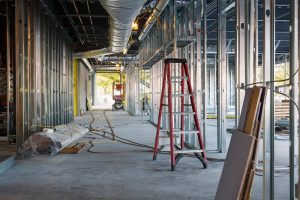
- Full Buildouts: These encompass comprehensive renovations, including electrical, plumbing, and HVAC systems.
Importance of a Tenant Buildout Contractor
A skilled contractor ensures that the project adheres to local building codes, safety regulations, and the specific requirements of the tenant. They manage the entire process, from design to execution, ensuring that the project is completed on time and within budget.
Defining Your Project Requirements
Before you start searching for a contractor, it’s essential to define your project requirements clearly. This will help you communicate your vision effectively and ensure that potential contractors understand your needs.
Key Considerations
-
- Budget: Establish a realistic budget that includes all aspects of the buildout, such as materials, labor, and permits.
- Timeline: Determine your desired completion date and any critical milestones along the way.
- Design Preferences: Outline your aesthetic preferences and functional requirements for the space.
Creating a Project Brief
A well-structured project brief can serve as a valuable tool when discussing your project with potential contractors. Include details such as:
-
- Scope of Work: A detailed description of the work to be performed.
- Design Inspirations: Visual references or mood boards that convey your style preferences.
- Functional Requirements: Specific needs related to the space, such as layout and accessibility.
Researching Potential Contractors
Once you have a clear understanding of your project, it’s time to research potential tenant buildout contractors. This step is critical in finding a reliable partner who can bring your vision to life.
Sources for Finding Contractors
-
- Referrals: Ask colleagues, friends, or industry contacts for recommendations.
- Online Directories: Utilize platforms like Yelp, Angie’s List, or Houzz to find contractors in your area.
- Industry Associations: Check with local construction associations for a list of qualified contractors.
Evaluating Contractor Credentials
When you have a list of potential contractors, evaluate their credentials to ensure they are qualified for your project.
-
- Licensing and Insurance: Verify that the contractor holds the necessary licenses and insurance to operate in your state.
- Experience: Look for contractors with a proven track record in tenant buildouts, particularly in your industry.
- Portfolio: Review their portfolio to assess the quality of their previous work and see if it aligns with your vision.
Conducting Interviews
After narrowing down your list, conduct interviews with potential contractors. This is an opportunity to gauge their expertise and determine if they are a good fit for your project.
Key Questions to Ask
-
- What is your experience with tenant buildouts?
- Look for specific examples of similar projects they have completed.
- Can you provide references from past clients?
- Contact these references to gain insights into the contractor’s reliability and quality of work.
- How do you manage project timelines and budgets?
- Inquire about their processes for tracking progress and handling unexpected challenges.
- What is your experience with tenant buildouts?
Assessing Communication Skills
Effective communication is vital for a successful partnership. Pay attention to how well the contractor listens to your needs and articulates their ideas. A contractor who communicates clearly and promptly is more likely to keep your project on track.
Reviewing Proposals
Once you have interviewed several contractors, request detailed proposals from your top choices. A well-structured proposal should outline the scope of work, timeline, budget, and payment terms.
Key Components of a Proposal
-
- Scope of Work: A clear description of the tasks to be performed.
- Timeline: A detailed schedule with milestones and completion dates.
- Cost Breakdown: An itemized list of costs, including materials, labor, and any additional fees.
Comparing Proposals
When reviewing proposals, consider not only the cost but also the value offered by each contractor. The lowest bid may not always be the best choice if it compromises quality or service.
Checking References and Reviews
Before making a final decision, check the contractor’s references and online reviews. This step can provide valuable insights into their reputation and reliability.
How to Check References
-
- Contact Past Clients: Ask about their experience working with the contractor, including communication, quality of work, and adherence to timelines.
- Review Online Feedback: Look for reviews on platforms like Google, Yelp, or the Better Business Bureau to gauge overall customer satisfaction.
Red Flags to Watch For
Be cautious of contractors with consistently negative reviews or those who are unwilling to provide references. Trust your instincts; if something feels off, it may be best to continue your search.
Finalizing the Contract
Once you have selected a contractor, it’s time to finalize the contract. A well-drafted contract protects both parties and outlines the terms of the agreement.
Essential Elements of a Contract
-
- Scope of Work: Clearly define the tasks to be completed.
- Payment Terms: Specify the payment schedule and any conditions for additional costs.
- Timeline: Include a detailed timeline with milestones and completion dates.
- Change Order Process: Outline how changes to the project will be handled and documented.
Legal Considerations
Consider having a legal professional review the contract to ensure that it complies with local laws and protects your interests.
Managing the Buildout Process
With the contract in place, the contractor will begin the buildout process. Effective management during this phase is crucial for ensuring that the project stays on track.
Regular Communication
Maintain open lines of communication with your contractor throughout the project. Schedule regular check-ins to discuss progress, address concerns, and make any necessary adjustments.
Monitoring Progress
Stay engaged in the project by monitoring progress against the established timeline. If delays or issues arise, work collaboratively with your contractor to find solutions.
Ensuring Quality Control
Quality control is essential for a successful tenant buildout. Your contractor should have processes in place to ensure that all work meets industry standards and your expectations.
Conducting Inspections
Schedule regular inspections throughout the buildout process to verify that work is being completed to your satisfaction. This can help identify any issues early on, allowing for timely corrections.
Final Walkthrough
Once the project is nearing completion, conduct a final walkthrough with your contractor. This is your opportunity to address any remaining concerns and ensure that everything meets your standards before officially taking possession of the space.
Hiring a tenant buildout contractor is a significant decision that can greatly impact the success of your renovation project. By following these steps—defining your project requirements, researching potential contractors, conducting interviews, and managing the buildout process—you can ensure a smooth and successful experience. With the right contractor by your side, your vision for a functional and aesthetically pleasing space can become a reality.
We Provide Tenant Improvement Services
We renovate or remodel commercial spaces to meet the specific needs of a tenant. These services are essential for tenants who want to customize their leased space to fit their business requirements. Tenant improvement construction services can range from minor cosmetic upgrades to major structural changes.
> Learn More
Contact us (513-617-1401) for more information or a quote
—

About ABS Services
ABS Services provides comprehensive commercial construction services to Greater Cincinnati, Northern Kentucky, and Southeast Indiana. We have the experience, equipment, and the right team to get the job done!
> Learn More