 Mixed-use developments have become a cornerstone of modern urban planning, blending residential, commercial, and recreational spaces into cohesive environments. This innovative approach not only enhances community engagement but also optimizes land use and promotes sustainability. At the heart of these projects lies commercial contracting, which plays a crucial role in bringing these multifaceted developments to life. This article delves into the various aspects of commercial contracting in mixed-use developments, exploring its significance, challenges, and best practices.
Understanding Mixed-Use Developments
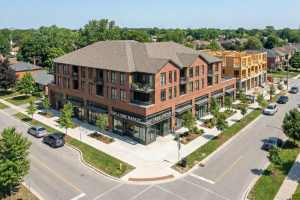
Mixed-use developments are designed to integrate various functions within a single project, creating vibrant spaces that cater to diverse needs. These developments typically combine residential units, retail shops, office spaces, and recreational areas, fostering a sense of community and convenience.
Types of Mixed-Use Developments
-
- Vertical Mixed-Use: This type involves multiple uses within a single building, such as apartments above retail stores or offices. This design maximizes space and encourages foot traffic.
- Horizontal Mixed-Use: In this configuration, different buildings within a complex serve various functions. For example, a shopping center may include restaurants, offices, and residential units in close proximity.
- Transit-Oriented Developments: These projects are strategically located near public transportation hubs, promoting accessibility and reducing reliance on cars. They often feature a mix of residential, commercial, and recreational spaces.
- Live-Work-Play Communities: These developments aim to create self-sufficient neighborhoods where residents can live, work, and enjoy leisure activities without needing to travel far.
The Role of Commercial Contracting
Commercial contracting is essential in the successful execution of mixed-use developments. Contractors are responsible for managing the construction process, ensuring that projects are completed on time, within budget, and to the required quality standards.
Key Responsibilities of Commercial Contractors
-
- Project Management: Contractors oversee the entire construction process, coordinating with various stakeholders, including architects, engineers, and subcontractors. Effective project management ensures that all aspects of the development align with the overall vision.
- Budgeting and Cost Control: Contractors are tasked with creating and managing budgets, ensuring that costs remain within the allocated limits. This involves careful planning and monitoring of expenses throughout the project lifecycle.
- Quality Assurance: Ensuring that construction meets industry standards and regulations is a critical responsibility. Contractors implement quality control measures to guarantee that the final product is safe, functional, and aesthetically pleasing.
- Compliance with Regulations: Navigating zoning laws, building codes, and environmental regulations is a complex task. Contractors must ensure that all aspects of the development comply with local and national standards.
Benefits of Mixed-Use Developments
Mixed-use developments offer numerous advantages, making them an attractive option for urban planners and developers alike.
Economic Viability
By diversifying income sources, mixed-use developments can enhance economic stability. The combination of residential, retail, and office spaces allows property owners to mitigate risks associated with market fluctuations. For instance, if retail sales decline, the residential component can help maintain revenue streams.
Community Engagement
These developments foster a sense of community by creating vibrant, walkable environments. Residents benefit from having amenities such as shops, restaurants, and offices within close proximity, encouraging local spending and supporting small businesses.
Improved Urban Aesthetics
Mixed-use developments contribute to the overall aesthetic appeal of urban areas. By incorporating green spaces, pedestrian pathways, and visually appealing architecture, these projects enhance the urban landscape and promote a healthier lifestyle.
Environmental Sustainability
Combining various uses within a single development can lead to significant environmental benefits. Mixed-use properties often require less land and reduce the need for extensive transportation networks, ultimately lowering greenhouse gas emissions.
Challenges in Mixed-Use Development
While mixed-use developments offer numerous benefits, they also present unique challenges that developers and contractors must navigate.
Zoning and Regulatory Compliance
One of the primary hurdles in mixed-use development is adhering to zoning laws and regulations. Developers must work closely with local authorities to ensure compliance, which can be a time-consuming process requiring negotiation and community engagement.
Design Cohesion
Creating a harmonious design that integrates various functions while maintaining aesthetic appeal is crucial. Contractors must collaborate with architects and urban planners to ensure that each component of the development meets the needs of its users.
Financing Complexities
Securing financing for mixed-use projects can be more challenging than for single-use developments. Lenders may perceive these projects as higher risk due to their complexity, necessitating a compelling case for potential investors.
Market Analysis
Conducting thorough market research is essential to determine the feasibility of a mixed-use development. Developers must assess local demand for residential, retail, and office spaces, as well as understand demographic trends and consumer preferences.
Best Practices for Successful Mixed-Use Developments
To maximize the potential of mixed-use developments, developers and contractors should adhere to several best practices.
Collaborative Planning
Engaging stakeholders early in the planning process can lead to more successful outcomes. By involving community members, local businesses, and government officials, developers can gain valuable insights and foster support for the project.
Sustainable Design
Incorporating sustainable building practices and materials can enhance the environmental performance of mixed-use developments. This includes using energy-efficient systems, renewable energy sources, and sustainable materials to minimize the carbon footprint.
Flexibility in Design
Designing flexible spaces that can adapt to changing needs is essential for long-term success. This may involve creating modular spaces that can be easily reconfigured or repurposed as market demands evolve.
Effective Marketing Strategies
Developers should implement targeted marketing strategies to attract potential tenants and buyers. Highlighting the unique features and benefits of the mixed-use development can help generate interest and drive occupancy rates.
The Future of Mixed-Use Developments
As urban areas continue to evolve, mixed-use developments are likely to play an increasingly important role in shaping the future of cities. The demand for integrated, walkable communities is expected to grow, driven by changing demographics and lifestyle preferences.
Emphasis on Sustainability
The focus on sustainability will continue to influence mixed-use development trends. Developers will increasingly prioritize eco-friendly practices, energy-efficient designs, and green spaces to meet the expectations of environmentally conscious consumers.
Technological Integration
Advancements in technology will also impact mixed-use developments. Smart building technologies, such as energy management systems and automated controls, can enhance the efficiency and functionality of these spaces.
Community-Centric Design
Future mixed-use developments will likely place a greater emphasis on community engagement and social interaction. Designing spaces that encourage collaboration and connection will be essential for fostering vibrant neighborhoods.
Commercial contracting plays a vital role in the success of mixed-use developments, ensuring that these complex projects are executed efficiently and effectively. By understanding the benefits, challenges, and best practices associated with mixed-use developments, stakeholders can create thriving, sustainable communities that enhance urban living. As the demand for integrated spaces continues to grow, the importance of commercial contracting in shaping the future of urban development cannot be overstated.
We Provide General Commercial Contracting Services
We oversee construction projects from the beginning to the end. This includes designing, planning, building, and managing the entire process. We are responsible for coordinating with architects, engineers, and other subcontractors to ensure that the project is completed within the set timeline and budget.
> Learn More
Contact us (513-617-1401) for more information or a quote
—

About ABS Services
ABS Services provides comprehensive commercial construction services to Greater Cincinnati, Northern Kentucky, and Southeast Indiana. We have the experience, equipment, and the right team to get the job done!
> Learn More