Tenant Improvement
We renovate or remodel commercial spaces to meet the specific needs of a tenant. These services are essential for tenants who want to customize their leased space to fit their business requirements. Tenant improvement construction services can range from minor cosmetic upgrades to major structural changes.
Functionality, Aesthetics, and Safety
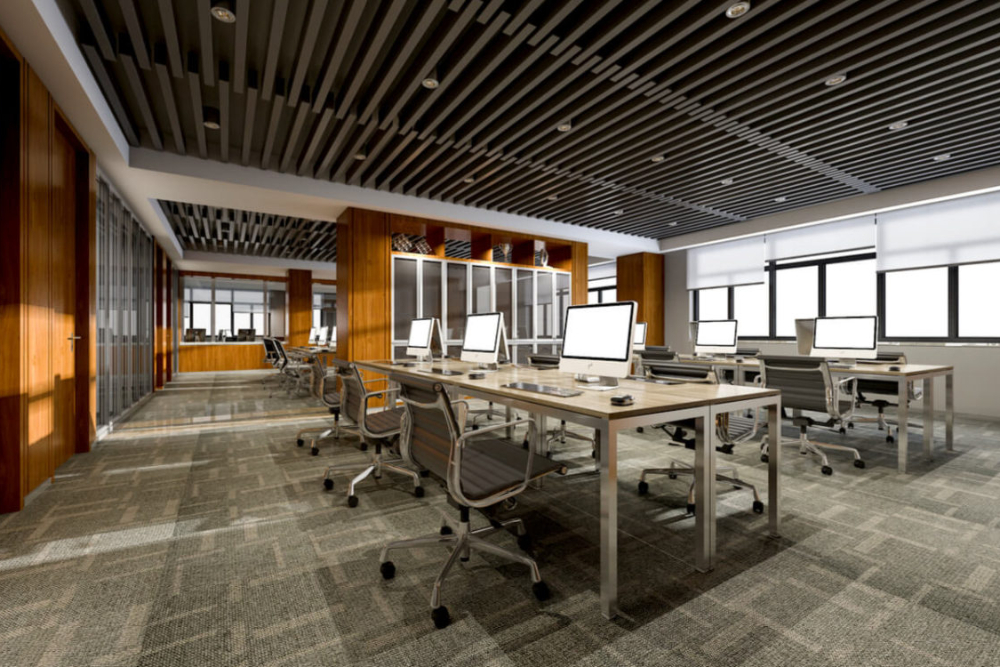
The primary objective of tenant improvement construction services is to enhance the functionality, aesthetics, and safety of a commercial space. This process involves a wide range of tasks, such as installing new flooring, painting walls, upgrading lighting fixtures, adding new partitions, and improving HVAC systems. These improvements not only create a more comfortable and inviting environment for employees and customers but also increase the property value of the leased space.
Tailored to the Business Needs of the Tenant
Tenant improvement services allow tenants to tailor their leased space to their business needs. For instance, a retailer may need more floor space to display their products, while a healthcare provider may require specialized rooms for medical procedures. A skilled tenant improvement contractor can help identify these specific requirements and provide customized solutions that meet the tenant’s needs.
Less Expensive Then New Construction
Tenant improvement services significantly reduce the overall cost of leasing commercial space. Instead of searching for a new property that meets all your business requirements, you can make necessary changes to an existing space and avoid the expenses associated with relocation. Moreover, since tenants are responsible for most of the improvements in leased spaces, they have more control over the design and quality of their workspace.
Tenant Improvement Process and FAQs
General Questions
What are tenant improvements (TI)?
Tenant improvements are permanent changes made to a leased commercial space to fit the specific needs of a tenant. These improvements are built into the property and remain after the tenant moves out, adding lasting value to the building.
What qualifies as a tenant improvement?
To qualify as a tenant improvement, the modification must meet three key criteria: serve a tenant-specific purpose (exclusive to the leased premises), be permanently attached to the building, and remain the landlord’s property after the lease ends.
Why are tenant improvements important?
Tenant improvements customize spaces to fit business needs while potentially increasing property value. They help attract prospective tenants, support tenant retention, and add long-term value to the commercial property.
Financial Considerations
What is a tenant improvement allowance (TIA)?
A tenant improvement allowance is a pre-negotiated sum of money that a landlord provides to cover all or a portion of construction costs for customizing the leased space. It’s typically expressed as a dollar amount per square foot.
Who typically pays for tenant improvements?
Payment arrangements vary based on the lease agreement. Common approaches include landlord-funded allowances, tenant-funded improvements with rent concessions, or shared costs. The specific arrangement should be clearly outlined in the lease.
What does a tenant improvement allowance typically cover?
A TIA generally covers construction costs, labor, and materials related to physical improvements to the space. It may not cover furniture, fixtures, equipment, or moving expenses.
Types of Agreements
What are the common types of tenant improvement agreements?
- Tenant Improvement Allowance (TIA): Landlord provides funds, tenant oversees work
- Rent Discounts: Landlord offers reduced rent equal to improvement costs
- Building Standard Allowance (Build-out): Landlord offers a package of improvements
- Turnkey: Tenant submits design plans, landlord completes work before move-in
What are the pros and cons of tenant-managed improvements?
What are the pros and cons of landlord-managed improvements?
Planning & Implementation
What steps should be taken before starting tenant improvements?
- Assess your needs and create a clear plan
- Determine optimal layout and design
- Consider functionality requirements
- Identify materials and equipment needed
- Outline budgetary constraints
What permits are required for tenant improvements?
Requirements vary by location but typically include building permits, electrical permits, plumbing permits, and health department approvals for food service establishments. A complete tenant improvement permit application generally requires site plans, construction plans, energy compliance documents, and potentially hazardous materials documentation.
Who should I hire for a tenant improvement project?
You’ll typically need to hire a design build commercial tenant improvement contractor to oversee the design and construction. Depending on the project scope, you may also need specialized subcontractors for electrical, plumbing, and HVAC work.
Negotiation Tips
How can I negotiate a better tenant improvement allowance?
Consider negotiating a longer lease term, as landlords are often willing to provide larger allowances for tenants committed to staying longer. Come prepared with detailed plans and cost estimates to justify your requested allowance.
What factors influence tenant improvement negotiations?
Key factors include the current commercial real estate market conditions, length of the lease, tenant’s financial stability, condition of the space, and building ownership goals.
Future Considerations
How can tenant improvements be future-proofed?
- Creating flexible layouts with movable walls
- Installing scalable electrical and HVAC systems
- Using durable, sustainable materials
- Choosing standardized fixtures
- Designing with neutral color palettes
- Implementing energy and water-efficient systems
What happens to tenant improvements at the end of the lease?
Tenant improvements typically remain with the property at the end of the lease as they become the landlord’s property. This is different from trade fixtures or equipment that tenants can remove when they leave.
What are some popular sustainable tenant improvements?
- Solar energy systems
- Green roofs or walls for improved insulation
- Energy-efficient lighting and windows
- Low-flow plumbing fixtures
- Recycling stations and waste management solutions